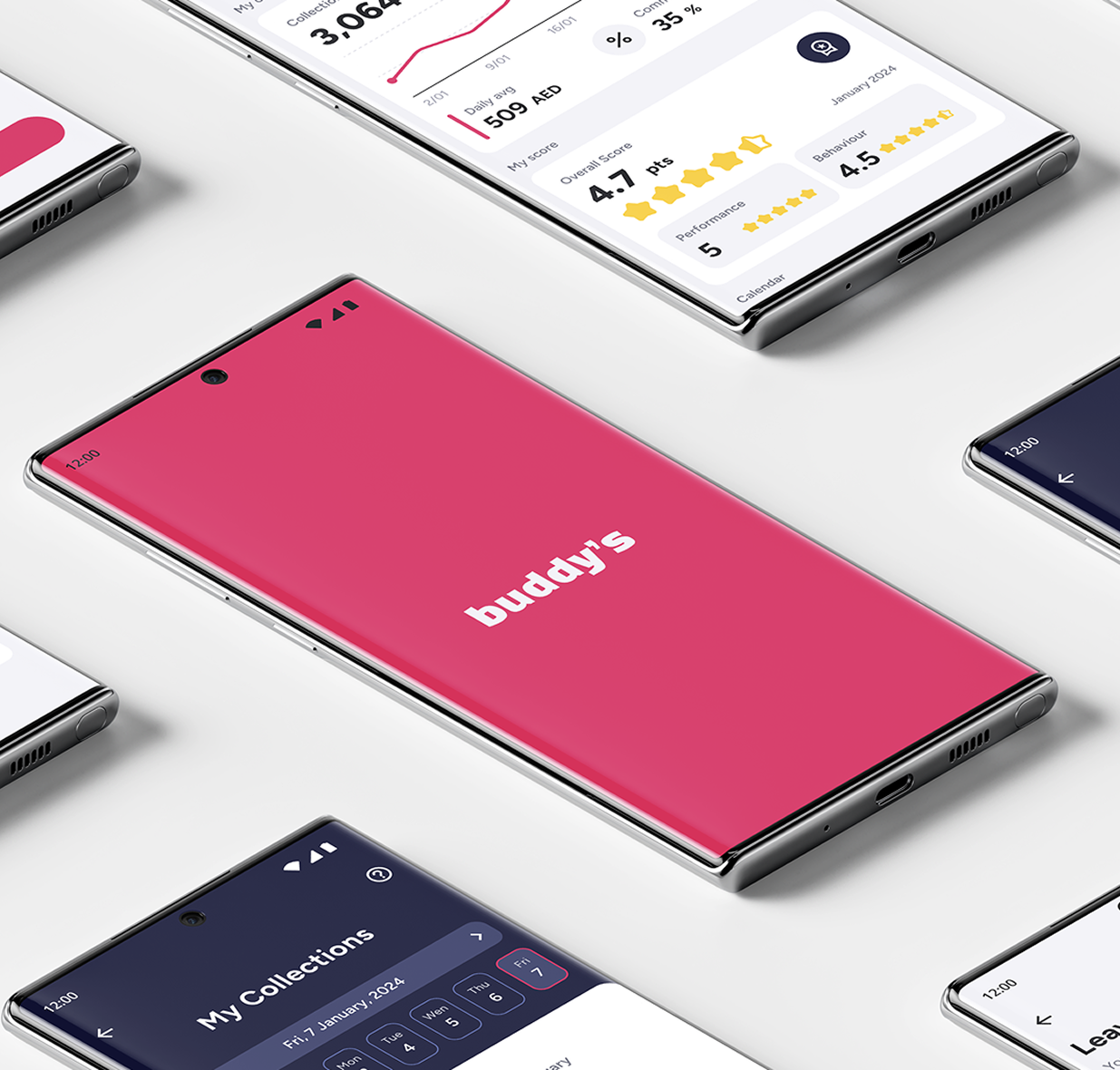
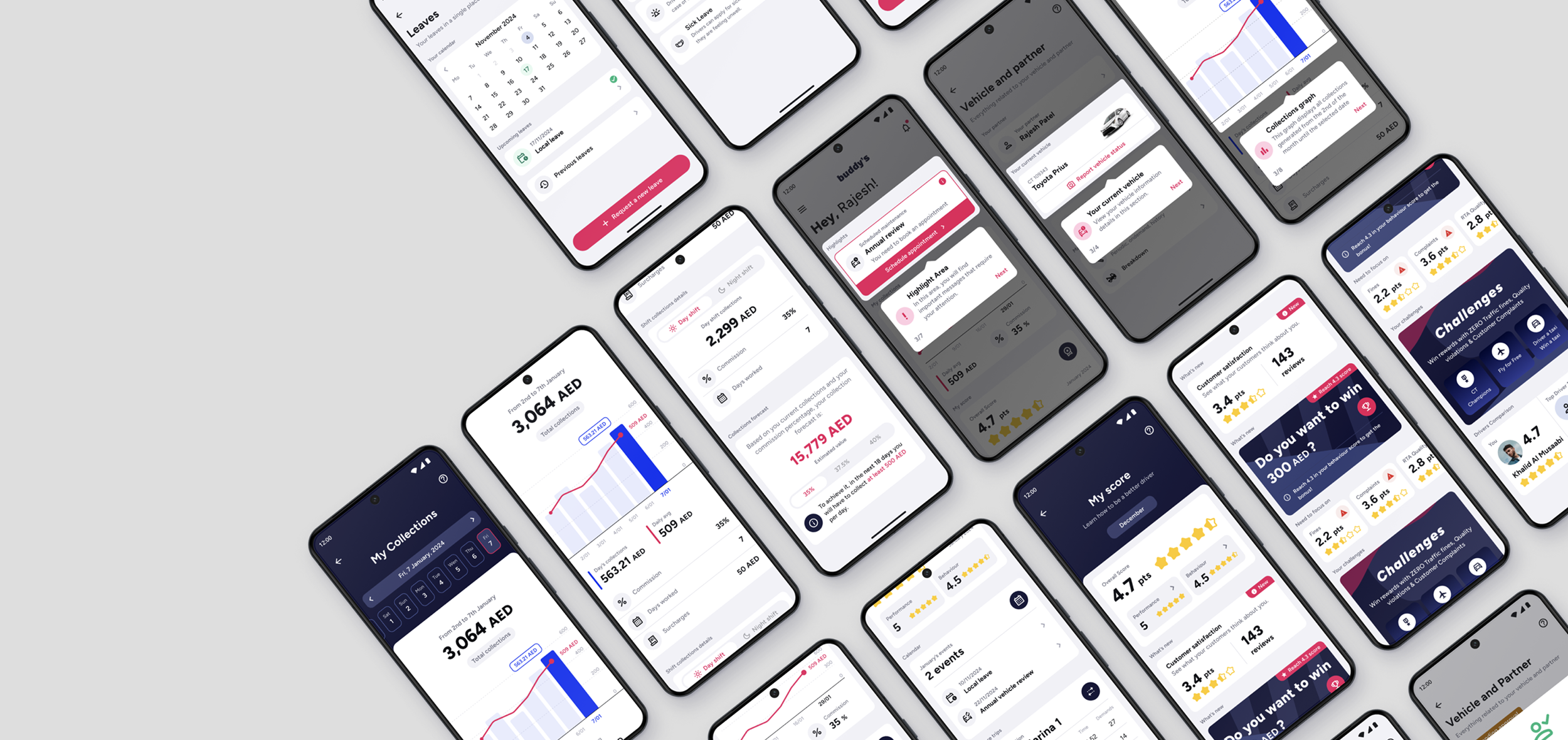
A revamp of an internal app for a taxi drivers company with a focus on being an innovative human-centric app.
View prototype
A revamp of an internal app for a taxi drivers company with a focus on being an innovative human-centric app. A revamp of an internal app for a taxi drivers company with a focus on being an innovative human-centric app.
The drivers often rely on in-person visits to HR or admin offices to resolve everyday issues — whether it's checking salary details, managing leave, or reporting a problem. This constant need for physical presence leads to inefficiencies, longer resolution times, and frustration for both employees and support teams.
The challenge was to build a tool that empowered employees to handle their day-to-day needs independently, without adding complexity or relying on external help. The goal: reduce unnecessary office visits, improve operational efficiency, and create a smoother, more human internal experience.
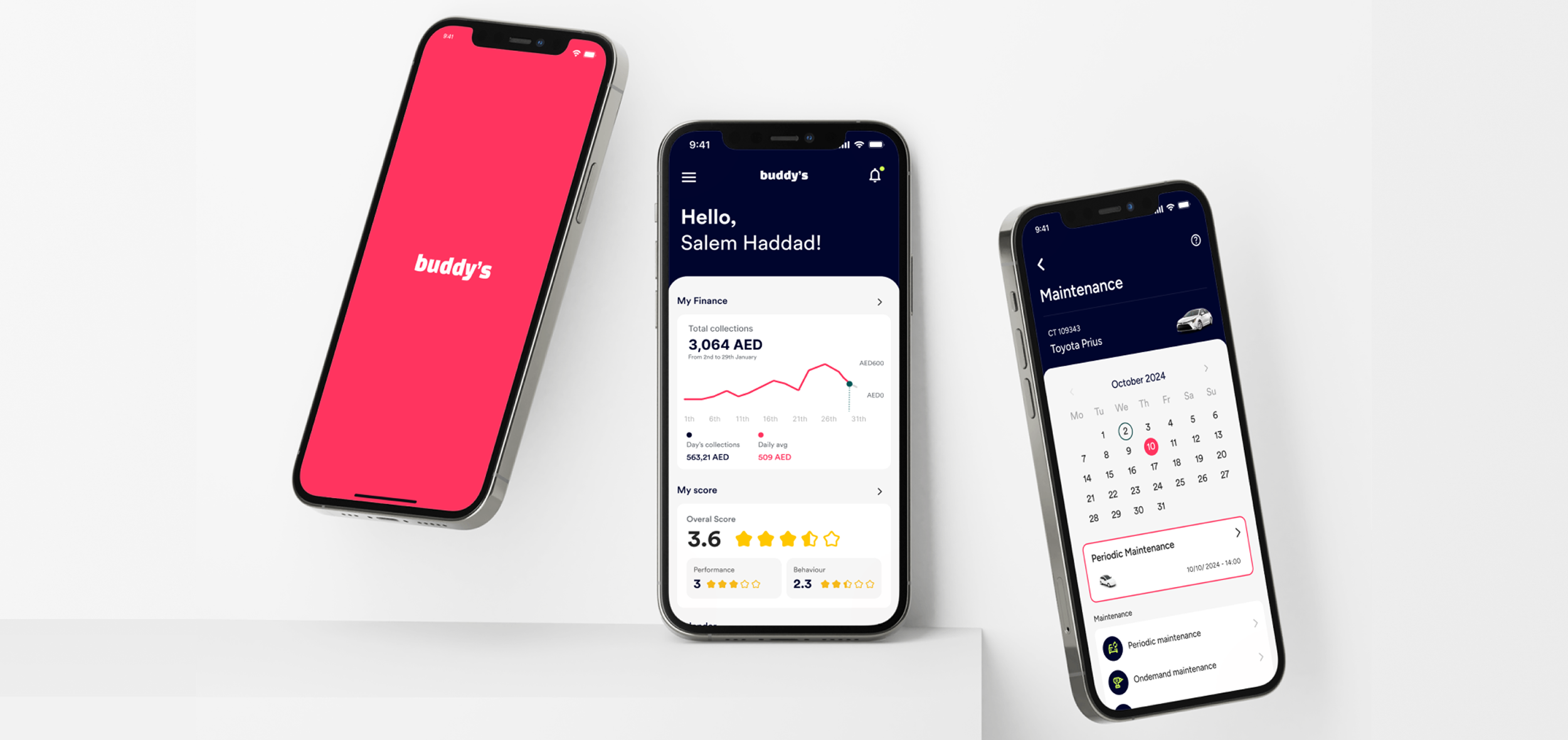
Buddy's App was designed as a digital companion for employees — friendly, reliable, and easy to use. Its identity is grounded in clarity, empathy, and empowerment, reflecting a tool that supports people in managing their work-related needs with confidence and autonomy.
Visually, the brand embraces a clean, modern aesthetic with soft tones and approachable typography to convey trust and simplicity. The name Buddy reinforces the app's core idea: it's not just a platform, it's a helpful ally — one that makes administrative tasks feel less bureaucratic and more human.
From language to interface design, every touchpoint is intentionally crafted to feel intuitive, supportive, and frustration-free. The goal was to create a product that employees don't just use, but actually value as part of their daily routine.

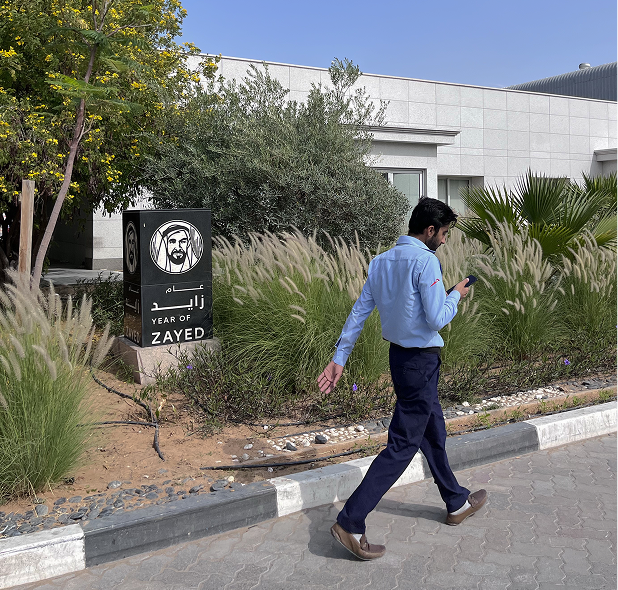
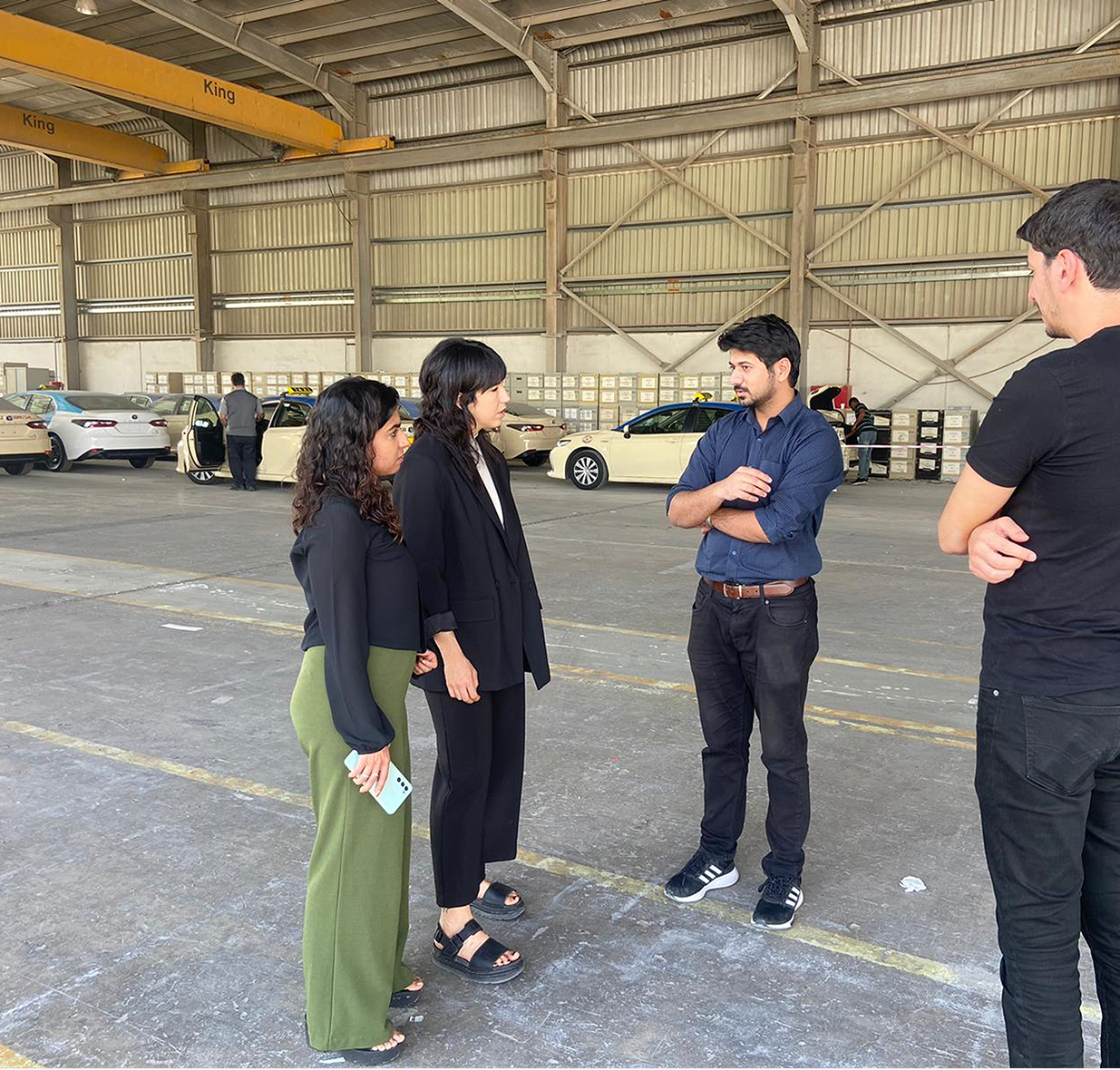
We stated the first phase of this project, where we conducted comprehensive desk research and competitor analysis. Additionally, we engaged in interviews with taxi drivers and stakeholders, gaining valuable insights into their pain points, challenges, and aspirations. As a result, we built a document with the insights gathered from the different interviews, which spans 40 pages.
With the results of the first phase, we then started to transform these insights into opportunities and, consequentially, into functionalities. To do that, we map out the current architecture, created drivers archetypes, clustered improvement areas, and drafted the first 67 journeys. Later on, in a co-design workshop, we brainstormed, prioritized, and defined the future features of the app.
We work hand in hand with the IT department and Product Owners (POs) to bring our designs to life. We adopted a rapid prototyping approach, focusing on the key features, and iterations based on quick feedback. Our primary focus was translating all the drafted and prioritised features into actionable wireframes and user stories. To do so, we held two rounds of drivers' interviews, various extensive stakeholders validations sessions and multiple meetings with the developers.
Other Projects